I’m often asked if a cover letter is necessary. The short answer is that it never hurts to send one if requested. What will hurt is if the job post doesn’t want a cover letter and you insist on sending one anyway in the same file as your resume.
DON’T DO THAT.
Employer’s applicant tracking systems (ATS) – robots that parse your resumes to take some of the load off of overburdened recruiters – are set with specific parameters. Looking through a cover letter is generally not one of them. If you include the cover letter in the same file as your resume, it can cause problems with the ATS. This translates to your document not getting in front of a human being.
Also, even if you get in front of a human being, including a cover letter inside your resume file could send the message that you don’t follow directions. Either way – sending an unwanted cover letter will not bode well for you, so don’t do it.
If you are invited to include a separate cover letter file (or to paste a cover letter into the application form), by all means, do it. Recruiters are most interested in your skill, motivation, and culture fit; a cover letter is a great place to expand on all three. Cover letters are especially handy if you have special circumstances, like changing industries or taking some time off. You can express how your situation gives you a leg up in this next career step.
TO WHOM SHOULD I ADDRESS MY COVER LETTER?
It’s far better to address your cover letter to someone rather than no one, even if it’s not the right person. Researching a possible recipient shows tenacity and diligence.
Here’s a step-by-step process to help you make an informed guess of whom to address it to:
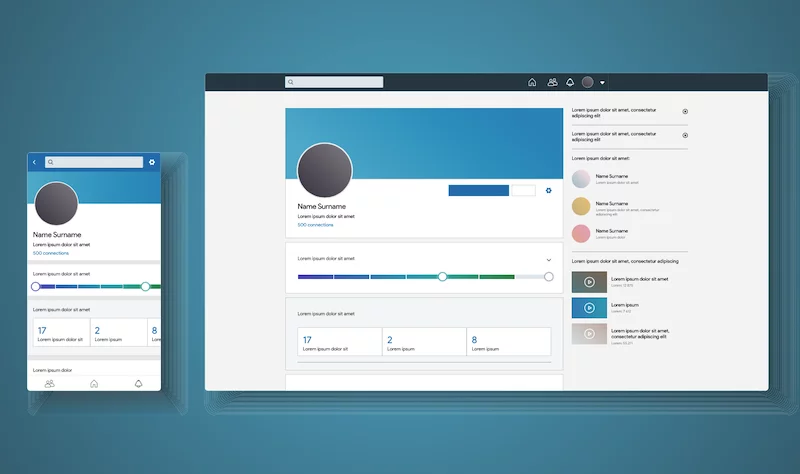
- Look up the company on LinkedIn.
- Click on the company employees link.
- Use the filter link at the top of the page to filter by location, and for the Job Title field, enter “Talent.” If nothing comes up, try “Human” or “HR” in that field.
- Alternatively, you could look for the manager of the department you’re applying to.
- Put the name of the person who seems like the best fit at the top of your cover letter (just under your header and the date). On the next line put their title. On the next line put the company name.
- Don’t forget to with the person’s name in the greeting! (“Dear Mary” rather than “Dear Hiring Manager.”)
If you don’t find anyone, you can check the company website or search Google for the department manager or talent acquisition lead. In the worst-case scenario, you can leave the name and title off and go with “Dear Hiring Manager,” but personalizing the cover letter is better.
THE MOST BASIC COVER LETTER STRUCTURE
Your cover letter should not exceed a page, and you’d be wise to break it up with some bullets if possible. Remember, weary recruiters will SCAN your cover letter for key facts. They’re not looking to read your life story.
Here are my structural suggestions:
First paragraph: Mention the job title and what caught your eye about the post. In other words, what’s great about the company? This could be the culture, products, or services – just make sure whatever you say is SPECIFIC to the organization. Follow that up with another sentence on how you believe you can add value to the role.
Next paragraph: Call out a few areas where you’ve thrived in past roles that align with the job description. Include three bullets of examples that further demonstrate your capacity in these areas.
Optional paragraph: If you have some career weirdness to explain (like a gap or concurrent work), you can do it here. Give a brief statement about how your hiccup adds a unique perspective and how you will apply that knowledge moving forward.
Final paragraph: Reiterate why you’d be an excellent fit for the role and encourage the reader to contact you.
FINAL THOUGHTS
Notice that we are not talking about what you want in the cover letter. Why? The person reading your cover letter doesn’t care about what you want. They care about what you bring to the table, whether you’re going to fit with the culture, and if you can deliver on expectations. Let this be your guide in terms of what to discuss.