When Sarah was 45, she found herself juggling the demands of a job with long, inflexible hours and the unexpected challenges of parenthood. She couldn’t stop working but longed for a more “parent-friendly” role. Perhaps something remote or at least with adjustable work hours.
Transitioning into a completely different job or industry was both exhilarating and daunting. By focusing on the following, Sarah was able to identify, apply for, and secure a job that better suited her changing lifestyle.
1. Clarify Your Transferable Skills
Start by pinpointing your skills that apply across various industries, such as:
· Leadership and Team Collaboration: Experience in guiding teams and fostering collaboration.
· Communication and Relationship-Building: Proficiency in articulating ideas and cultivating professional relationships.
· Analytical Problem-Solving: Ability to assess situations and devise effective solutions.
Emphasize these competencies in your applications, focusing on tangible results and impacts, to showcase your adaptability and value to potential employers.
2. Create a Broad Yet Targeted Resume
Develop a resume that underscores your versatility:
· Summary: Craft a concise overview highlighting your core strengths and eagerness to embrace new challenges. Answer the questions, “Why will you thrive in this new role?” “Why would we love to have you on our team?” “What unique value/perspective do you offer?”
· Achievements: Include measurable accomplishments that reflect your capacity to adapt and excel, such as leading successful projects or driving process improvements.
While a general resume serves as a solid foundation, tailor it for each application by integrating relevant keywords from the job description to enhance alignment with the role.
3. Leverage Cover Letters
Your cover letter is pivotal in articulating your career shift:
· Explain Your Motivation: Clearly convey the reasons behind your transition and how your previous successes align with your future objectives.
· Highlight Transferable Skills: Demonstrate how your existing skills are pertinent and beneficial to the new role.
· Show Enthusiasm: Express genuine interest in the company, industry, and position, supported by thorough research.
A well-crafted cover letter bridges your past experiences with your future aspirations, making a compelling case for your candidacy.
4. Expand Your Network
Engage with professionals in your desired field:
· Informational Interviews: Seek conversations to gain insights into the industry, understand necessary skills, and receive guidance on your transition.
· Professional Associations: Join relevant groups to connect with like-minded individuals and stay informed about industry developments.
Networking opens doors to opportunities and provides valuable perspectives that can inform your career change strategy.
5. Upskill and Brand Yourself
Invest in your professional development:
· Courses and Certifications: Pursue education that equips you with skills pertinent to your new career path.
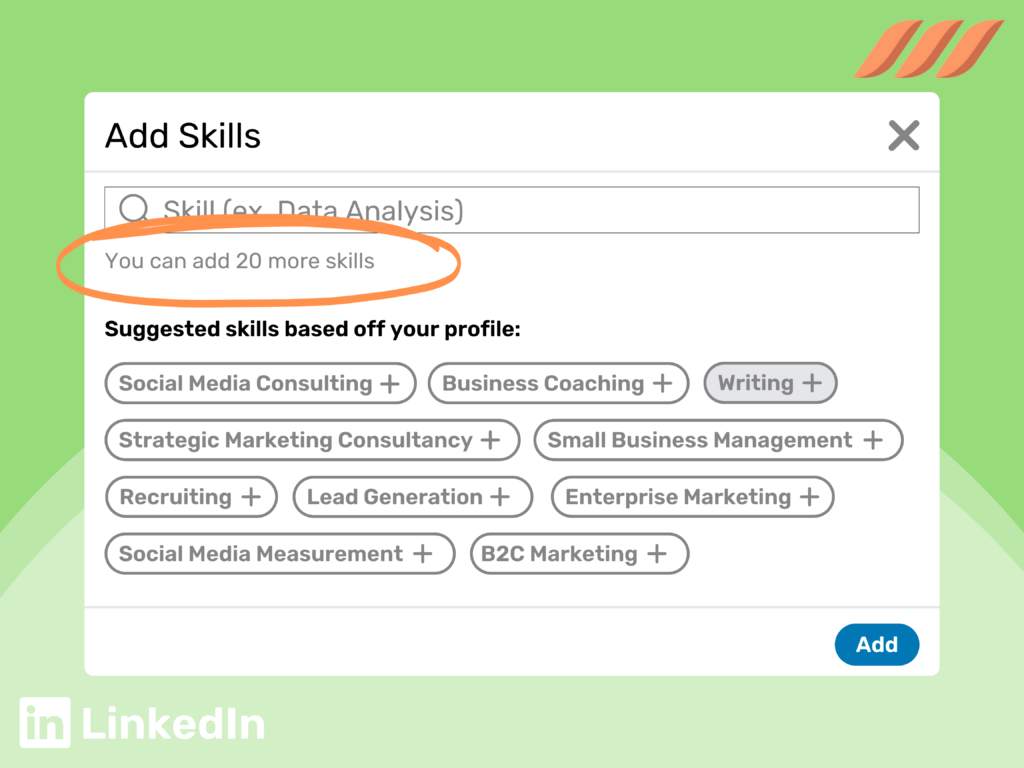
· Personal Branding: Share your learning journey and industry insights on platforms like LinkedIn to establish yourself as an informed and enthusiastic candidate.
Continuous learning and a strong personal brand signal your commitment and readiness for new challenges.
6. Tailor Your Approach for Each Opportunity
Conduct thorough research on prospective employers:
· Understand the Company: Gain insights into the organization’s culture, values, and challenges.
· Customize Your Application: Align your resume and cover letter to reflect how you can address the company’s specific needs and contribute meaningfully.
A personalized approach demonstrates initiative and a genuine interest in the role, setting you apart from other candidates.
7. Be Patient and Persistent
Recognize that career transitions take time:
· Stay Positive: Maintain a focus on activities that bring you fulfillment during the job search process.
· Gain Experience: Consider freelance or volunteer opportunities to build relevant experience and expand your professional network.
Persistence and a proactive mindset are key to successfully navigating the challenges of a career change.
Just like Sarah, who took the leap to prioritize her needs and find a role that aligned with her life, you too can navigate the transition into a more fulfilling career with intention and persistence. Your adaptability and effort will pave the way to a better fit for your evolving priorities.
NEED HELP? Reach out if you seek personalized guidance or assistance with your resume and cover letter.