A resume isn’t a biography.
It isn’t a complete work history.
It’s a marketing document designed to answer one question:
“Why should we interview this person?”
Every section should help answer that question. If it doesn’t, consider whether it belongs.
1. A Professional Header
Start with the basics.
Include:
- Your name.
- City and state.
- Phone number.
- Professional email address.
- Customized LinkedIn URL.
That’s it.
You don’t need your full mailing address, and if you’re applying for jobs in the United States, leave the photo off your resume. Most employers work hard to reduce bias during the hiring process, and a photo doesn’t strengthen your application.
2. A Professional Summary
Your summary is one of the first things a recruiter reads.
Its job isn’t to tell your life story. It’s to give the reader confidence.
A great summary answers three questions:
- Why would this team enjoy working with you?
- How would you make your manager’s job easier?
- What makes you the least risky candidate?
If you can answer those questions in a few concise paragraphs, you’ve given the recruiter a reason to keep reading.
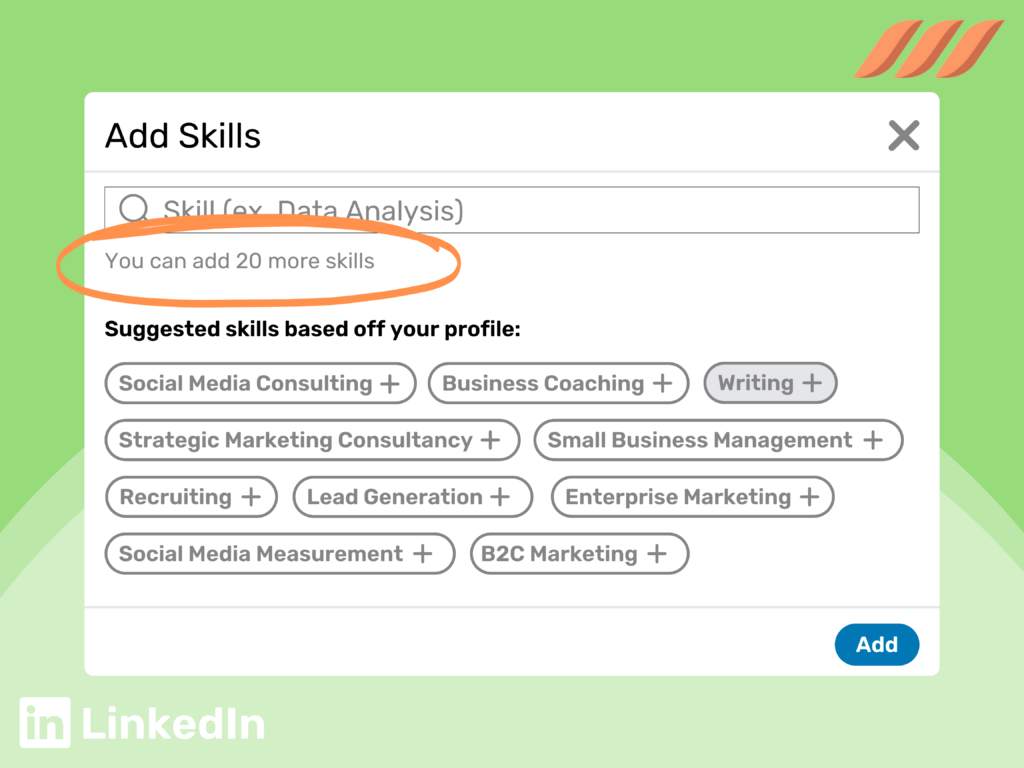
3. Core Skills
Your skills section should reinforce the types of roles you’re targeting.
Instead of creating a long list of everything you’ve ever done, include the skills most relevant to your next role.
For example:
- Strategic Planning
- Budget Management
- Change Management
- Salesforce
- SQL
- Executive Communication
Modern hiring systems use skills to help recruiters find relevant candidates, so this section should be intentional and aligned with your target jobs.
4. Professional Experience
This is the heart of your resume.
For each role, focus less on responsibilities and more on the impact you made.
Ask yourself:
- What problems did I solve?
- What changed because I was there?
- What would my manager say I was best known for?
Whenever possible, support your accomplishments with measurable results.
5. Education
Include:
- Degree.
- School.
- Graduation year (optional if you’re concerned about age bias).
- Relevant certifications or licenses.
If you’ve been working for several years, your education should support your experience, not compete with it.
6. Additional Sections (When They Add Value)
Depending on your background, you might also include:
- Certifications.
- Technical skills.
- Professional affiliations.
- Publications.
- Speaking engagements.
- Volunteer leadership.
- Selected projects.
- Languages.
The key is relevance.
If a section strengthens your candidacy for the role you’re pursuing, include it. If it doesn’t, leave it off.
What You Can Leave Off
Many resumes still include information that no longer adds value.
You can usually skip:
- Objective statements.
- References available upon request.
- Full mailing address.
- Photos (for U.S. applications).
- High school information (unless it’s your highest level of education).
- Every job you’ve ever held.
Your resume should be focused on where you’re going, not simply where you’ve been.
Think Like a Hiring Manager
Before you send your resume, ask yourself:
If I were hiring someone for this role, would every section help me feel more confident about interviewing this person?
If the answer is yes, you’ve included the right information.
If not, keep refining.
Every line should earn its place.
Related Articles
- Resume Best Practices, Part 2: Formatting
- Resume Best Practices, Part 3: How to Write a Resume Summary That Gets Interviews
- ATS-Friendly Resumes in 2026: What Actually Matters
- The Ultimate Resume Writing Guide
Need help deciding what belongs on your resume? I’ve helped more than 4,000 professionals identify the experience, accomplishments, and strengths that matter most to hiring managers, then present them in a way that’s clear, compelling, and interview-worthy.