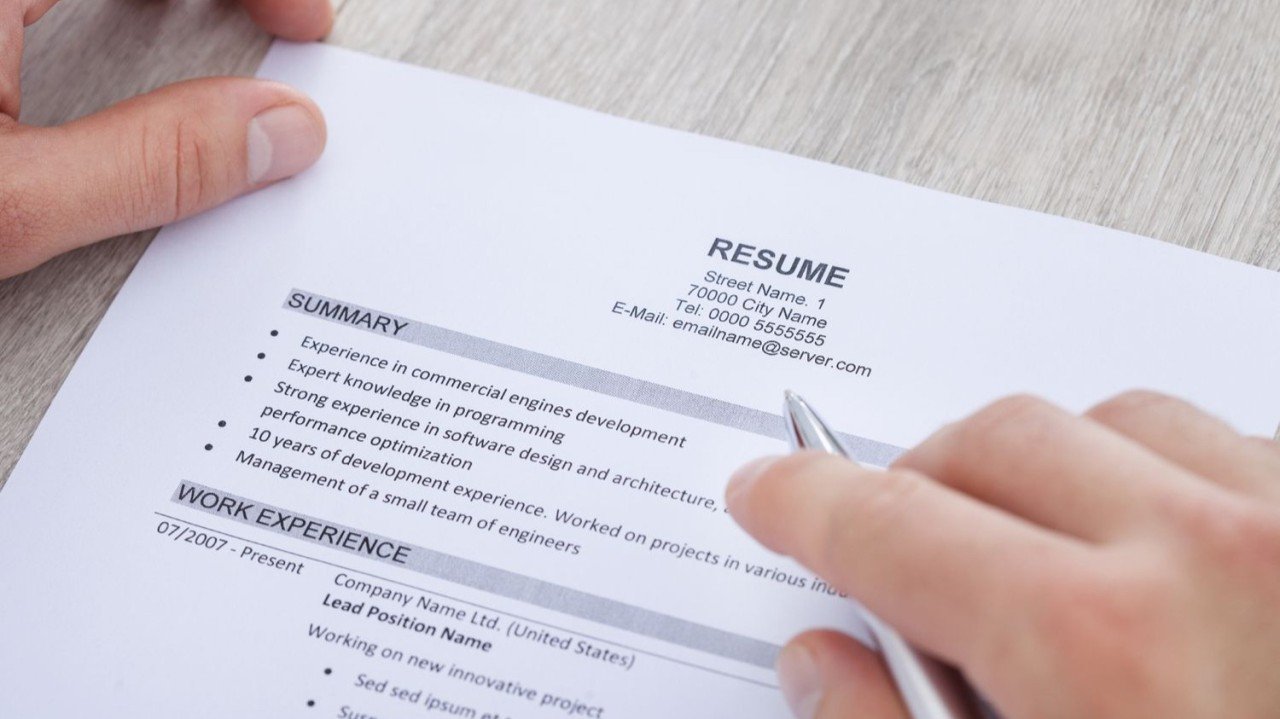
A resume header is the block at the top of your resume containing your name, contact information, and often a title or specialty line and it’s the first thing anyone reads, which makes it one of the most consequential few seconds on the whole page. A cluttered, outdated, or hard-to-scan header can undermine a strong resume before anyone reaches your first bullet point.
What Actually Belongs in a Resume Header
Your Name
Larger and bolder than the rest of the page, but not so large it looks like a wedding invitation. Your full professional name is fine; nicknames are fine too if that’s genuinely how you go by professionally.
Phone Number and Email
Use a phone number you actually answer and an email address that sounds like a professional adult wrote it. If your current email is a leftover from high school, this is the moment to create a new one.
City and State
A full street address isn’t necessary and hasn’t been standard for years. City and state are enough to show a hiring manager you’re local, remote-eligible, or willing to relocate, depending on how you frame it.
LinkedIn URL
Include a cleaned-up, custom LinkedIn URL rather than the long default string full of numbers. Customizing your LinkedIn URL takes about two minutes and immediately looks more polished on the page.
An Optional Title or Specialty Line
A short line under your name your target role or specialty can help orient a reader immediately, similar to how a strong resume summary orients them a few lines further down. This isn’t required, but it’s a low-cost way to add clarity at the very top of the page.
What to Leave Out
- A full mailing address unnecessary and slightly dated.
- A headshot or photo standard in some countries, but not typical or expected on U.S. resumes, and can introduce bias concerns for employers.
- Your date of birth or age not relevant, and including it can invite age-related bias.
- Marital status, a personal photo, or other personal details unrelated to your qualifications.
- An objective statement in place of a title line objective statements have mostly fallen out of favor in modern resumes.
Resume Header Examples by Format
| Format | Example |
| Traditional | Jordan Ellis | (303) 555-0148 | jordan.ellis@email.com | Denver, CO | linkedin.com/in/jordanellis |
| Modern, with title line | JORDAN ELLISSenior Operations Manager(303) 555-0148 · jordan.ellis@email.com · Denver, CO · linkedin.com/in/jordanellis |
| Executive | JORDAN ELLISChief Operating Officer | Scaling Operations for High-Growth Organizations(303) 555-0148 · jordan.ellis@email.com · Denver, CO · linkedin.com/in/jordanellis |
Notice the executive version carries more weight in the title line the same shift in emphasis that shows up across an entire executive-level resume, not just the header.
ATS Considerations for Your Header
This is a detail many people miss: if you place your header inside an actual Word header or footer field (the kind you insert through your word processor’s header/footer tool), some applicant tracking systems struggle to read that content correctly, and your name and contact information may not get parsed at all.
Keep your header in the main body of the document as regular text, formatted to look like a header visually, rather than using your word processor’s dedicated header feature. It’s a small technical choice that can otherwise quietly cost you before a human ever opens the file.
Header, Title Line, and Summary: Getting the Top of the Page Right Together
Your header doesn’t work in isolation it’s the first of three things a reader sees in quick succession: your header, an optional title line, and your resume summary. I’ve also written a more detailed breakdown of headline, title, and summary best practices together, and an earlier piece on one simple header fix that makes a big difference both are worth reading alongside this post rather than instead of it, since each looks at the same real estate from a slightly different angle.
Common Header Mistakes That Quietly Cost Interviews
An unprofessional email address is one of the most common issues I see, and one of the easiest to fix. Something like “partyanimal99@email.com” undercuts an otherwise strong resume in about half a second, and creating a clean, professional email address takes five minutes.
A missing or broken LinkedIn link is another frequent problem either the URL is left off entirely, or it’s copied incorrectly and leads nowhere. Test your own link before sending anything out.
Inconsistent formatting between the header and the rest of the resume is a subtler issue: a header in one font paired with body text in another, or contact information crammed onto a single line with no visual breathing room, can make an otherwise well-written resume look sloppy at first glance, before a reader has read a single accomplishment.
And a header that’s too small or too subtle can be just as much of a problem as one that’s oversized. If a hiring manager has to search for your name, that’s a design failure, however minor it seems.
What About the Header on Page Two?
If your resume runs two pages common for senior and executive candidates include an abbreviated header at the top of the second page: your name and perhaps your phone number or email. This protects against pages getting separated, whether physically printed or shuffled during an internal review, and it costs almost nothing in terms of space.
Does This Change by Career Stage?
Slightly. Early-career headers can skip a title line entirely if there isn’t yet a clear specialty to state see the entry-level resume page for more on what else shifts at that stage. By contrast, senior and executive-level headers often benefit from a confident, specific title line, since it sets the tone for a document that needs to signal scope immediately.
How I Approach This With Clients
The header is a small piece of the page, but I still treat it as a deliberate decision, not an afterthought. It needs to work alongside what a professional resume writer actually builds throughout the rest of the document consistent formatting, a title line that matches the story the resume tells, and contact information that’s actually current and answered.
Why This Small Detail Actually Matters
This isn’t just aesthetic preference. SHRM, the leading professional association for HR and talent-acquisition practitioners, has noted that recruiters often spend only seconds on an initial resume scan which means the header and the few lines beneath it are doing an outsized share of the work in that brief window.
General guidance from Indeed’s Career Guide reinforces the same point: clear, current contact information and a professional presentation at the top of the page are treated as baseline expectations, not bonus polish.
And since your header is where your LinkedIn URL lives, it’s worth making sure that link actually leads somewhere strong LinkedIn’s own guidance consistently points to complete, current profiles getting more recruiter engagement than incomplete ones, so a header pointing to a stale profile undercuts itself.
Frequently Asked Questions
Should I include my full street address on my resume?
No. City and state are sufficient. A full address is unnecessary and has been considered outdated for years.
Is it okay to use a nickname in my resume header?
Yes, if that’s genuinely how you go by professionally and it won’t cause confusion with your legal name on background checks or offer paperwork later in the process.
Should I include a photo in my resume header?
Generally no, for resumes targeting roles in the U.S. It’s more common in some other countries, but including one on a U.S. resume can introduce bias concerns for employers and isn’t expected.
Do I need a title line under my name, or is that optional?
It’s optional, but often helpful. If you have a clear specialty or target role, a one-line title can orient a reader immediately. If you’re early in your career or between specialties, it’s fine to skip it.
What if my LinkedIn profile isn’t updated yet?
Update it before your resume goes out, if at all possible. A header linking to a stale or half-finished LinkedIn profile can undercut an otherwise strong resume. If you need help there, see what a LinkedIn profile optimization service actually includes.
Can I use a colored or decorative header design?
Sparingly, if at all. Subtle color or a clean horizontal rule can look polished, but heavily designed headers sometimes cause parsing problems with ATS software. When in doubt, prioritize clean and readable over decorative.
Should my header look the same on my resume and cover letter?
Yes. Matching headers across both documents look intentional and professional, and make it easy for a hiring manager to keep your materials associated with each other.
Is a phone number required if I prefer email communication?
Include it anyway. Some recruiters and hiring managers prefer to call, particularly for a quick initial screen, and omitting a phone number can come across as unusual even if email is genuinely your preference.
What if I have a common name and worry about being confused with someone else online?
This is a good reason to make sure your LinkedIn URL and any portfolio links are current and accurate in your header, since they help a hiring manager land on the right profile rather than guessing through a search.
Should I include my pronouns in my resume header?
This is a personal choice, and practice varies by industry and region. It’s increasingly common in some fields and less standard in others. There’s no universal right answer, so it comes down to your own comfort and context.
A Quick Header Checklist
- Full name, clearly the largest text in the header.
- A phone number you actually answer.
- A professional-sounding email address.
- City and state, not a full mailing address.
- A cleaned-up, custom LinkedIn URL, tested to make sure it actually works.
- An optional title or specialty line, if it adds clarity.
- No photo, birthdate, or marital status.
- Formatted as regular body text, not a locked header/footer field, to stay ATS-friendly.
Want a Second Set of Eyes on Yours?
A strong header takes minutes to fix once you know what belongs there but it’s easy to overlook when you’re focused on the rest of the resume. I’m Kyla Duffy, and my resume and cover letter writing services cover every detail on the page, header included, not just the accomplishments in the middle. Curious what it costs? My rates are posted publicly, and my FAQ page covers what people usually ask first.