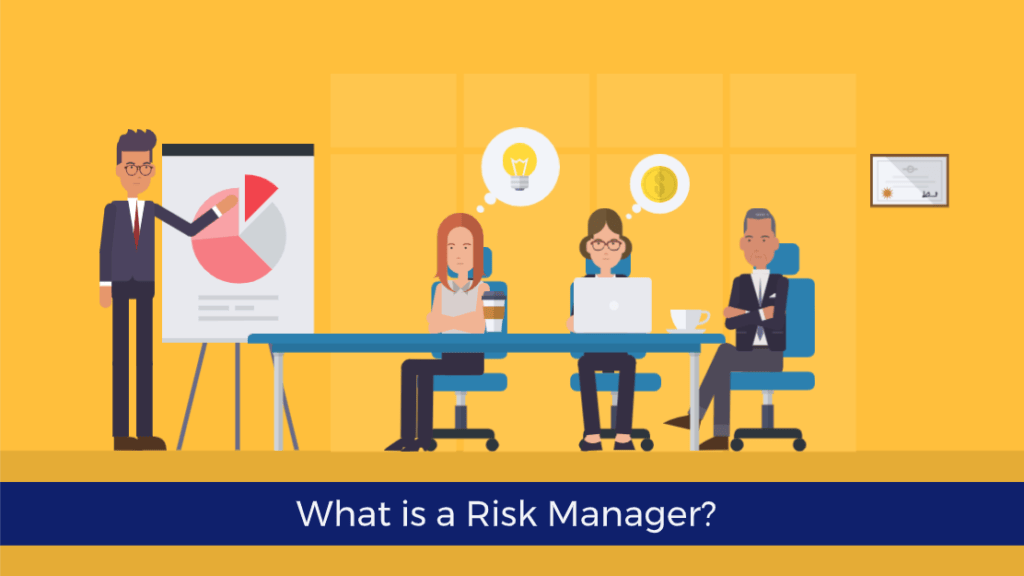
Often, when we think of risk management, we think of things corporations do to ensure regulatory compliance or minimize security risks. But risk management applies to us as people as well, and having a keen sense for it can help use intelligently navigate our lives and careers.
My Greatest Mistake
I never thought about risk management much until I was onto my second career as a professional athlete. The first time around, I was a snowboarder during the sport’s infancy when resorts were just beginning to build parks and promote the sport. At that time, if you could do a 540-degree twist or jump 6′ out of the halfpipe, you were considered a top competitor. For comparison, these days people are doing a combined double front flip with three-and-a-half backside spins. Even so, back then, our piddily little tricks were big to us. I was young, inexperienced, and in many ways I let fear hold me back. For example, few people were doing backflips in the halfpipe. It took me nearly two years to build up the confidence to try, which pretty much cost me the chance of being the best in the world. When I finally sacked up and tried, I landed and rode away the first time.
I read a metaphor about goals and rubber bands today that said the ideal place to be in your career is the place where the rubber band is taught but not about to snap. If it’s looks, you’re not trying hard enough, and if it’s about to snap, you’re out of your league. The fact that I rode away the first time I tried that trick tells me I had a limp little rubber band!
Success Springs from Failure
Intent on learning something from that experience, when I became a professional flying trapeze artist I told myself I would not allow my career to be restricted by fear. I generated a risk management framework for myself that I felt would allow me to grow in the safest possible manner. This involved a strict adherence to my training methodology that I would first do a trick safely to the net 10 times in safety lines and then 10 times out of safety lines; only then would I begin to throw the trick to the catcher. Sticking to this process gave me the necessary confidence and skill to ensure my security and success.
By following this approach, I not only survived 6+ years of performing 11 – 14 flying trapeze shows a week while well into my 40s, but I also pushed myself to be one of the few females in the world to have ever thrown a triple flip without safety lines, almost catching it.
Of course, not catching it was a letdown, but I really never thought it would even be something I could throw. This was a different dimension of risk management for me, where I had to come to terms with the fact that my shoulder was hanging on my a thread and pushing myself further would most likely result in the need for surgery. Additionally, I still had a few months before my retirement, and my team needed me in reasonably working order to do my job.
Risk Management & Your Career
Throughout your life and career, you’re faced with many decisions. Should I present my idea to my boss? Should I change careers to pursue my passion? Should I ask for a raise? These questions carry obvious risks to your financial well-being and your status at work. I propose that an even greater risk, however, is the risk to your soul if you don’t take steps to continue to grow and change.
All of these risks can be managed by implementing frameworks to bolster your confidence and skills while continuously assessing the impacts of proposed actions. What are these frameworks:
- Define your goals. Where do you want to be in a year? Three years? What do you have now to support the achievement of those goals? What are you lacking? How can you make up the difference?
- Try to see the unforseen. What could potential hold you back? How can you get around that?
- Define your brand. Understand how others see you compared to how you see yourself. Make sure the two are aligned or take steps to bring them into alignment.
- Define the needs of your target audience or organization. What are the pain points? How can you contribute to the cure?
- Know your value. What are you worth to the organization?
- Observe how others are getting to where you want to be. What trainings do the jobs require? What credentials do your competitors have? Start pursuing those credentials.
- Set a course of action steps to get from where you are to where your want to be.
What I’ve found, personally, is the people who go places are the people who are willing to take small risks for big gains. Also, it’s the people who make themselves known. Ensuring your boss and colleagues know and feel the contribution you make to the organization does not have to be the same as bragging. Instead, you can present your achievements in a learning manner, for example taking the time to explain how you went from X% to Y% of market share by implementing this, this, and this, and here’s how you think that same strategy can be used in another area.