Interview coaching works effectively over video, which means “near me” matters less for interview coaching than it might for something like photography. What’s actually worth seeking locally is market and cultural context, not physical proximity for its own sake, and definitely not at the expense of a coach who’s genuinely well-qualified but based somewhere else.
Does In-Person Coaching Actually Matter?
Less than you might expect. Unlike something highly visual or physical, interview coaching is fundamentally a conversation; discovery, strategy development, and mock interview practice all translate well to video calls. A mock interview conducted over Zoom can be just as realistic and useful as one conducted in a physical room, especially since many real interviews now happen virtually anyway.
This mirrors the same general pattern covered in what an interview coach actually does the substance of the work (discovery, evidence-building, practice) doesn’t depend on physical proximity.
A Realistic Example
Imagine someone choosing between two coaches: one located twenty minutes away who does in-person sessions only, and one based in another state who works entirely over video.
The local coach has a straightforward, generic process a single session, no real discovery conversation, straight into practice questions. The remote coach runs a thorough intake conversation first, builds a genuine evidence bank tied to the specific role, and conducts a tailored mock interview over video that closely mirrors the actual virtual interview format the candidate will face.
The remote option produces better preparation meaningfully, despite the physical distance, simply because the underlying process was stronger. Location told them nothing useful about which coach would actually help more.
When Local Knowledge Genuinely Helps
- Understanding regional hiring culture: some markets move faster, favor certain interview styles, or have distinct networking norms.
- Familiarity with major local employers and industries relevant to your target roles.
- In-person preference: some people simply communicate and connect better face to face, which is a legitimate reason to prioritize proximity.
What to Actually Look For, Local or Remote
The core vetting questions don’t change based on location. I’ve covered those in depth in what an interview coach actually does: a real process, evidence-based approach, mock interview inclusion, and honest pricing. “Near me” doesn’t exempt anyone from those basics.
Questions worth adding specifically for the location decision:
- Do you offer both in-person and remote sessions, or only one format?
- If remote, how do you handle mock interview practice to keep it realistic?
- Are you familiar with hiring norms in my specific city or region?
In-Person vs. Remote: Weighing the Tradeoffs
| In-Person | Remote | |
| Coach pool | Limited to your local area | Nationwide, far more options |
| Mock interview realism | Natural, face-to-face practice | Just as realistic, especially if your real interviews are virtual too |
| Local market knowledge | More likely by default | Possible, but worth confirming directly |
| Scheduling | Requires coordinating in-person availability | Generally more flexible |
Local Spotlight: Denver and Boulder
If you’re job searching in Colorado specifically, I work with clients throughout the Denver and Boulder area, both in person and remotely. Colorado’s job market spans a wide range of industries, which means understanding how hiring conversations actually go in tech, healthcare, or outdoor recreation companies locally can genuinely inform coaching but it works alongside the coaching fundamentals, not instead of them.
How I Work With Local and Remote Clients
My coaching process is identical whether you’re local or remote the same discovery conversation, the same evidence-building work, and mock interview practice conducted over video when that’s more convenient. If you’re also working on your resume, my resume and cover letter writing services work the same way.
Why This Actually Matters
This isn’t just a convenience question. SHRM, the leading professional association for HR and talent-acquisition practitioners, has noted that hiring practices can vary meaningfully by region and industry exactly the kind of context local knowledge can add, regardless of whether the coaching itself happens in person or remotely.
The U.S. Bureau of Labor Statistics publishes metro-area employment data, useful if you want to verify realistic expectations for your specific market independent of what any single coach tells you.
And general guidance from Indeed’s Career Guide reflects how standard remote collaboration has become across professional services generally proximity is increasingly a preference, not a functional requirement.
Frequently Asked Questions
Can mock interviews really be as effective over video?
Yes, particularly since many real interviews happen over video now too. Practicing in the same format you’ll actually use can be more useful than practicing in person if your real interview will be virtual.
Should I prioritize a local coach if I’m only interviewing with local companies?
It can be a reasonable factor to weigh, but it shouldn’t be the deciding one. A strong remote coach with good general vetting credentials will typically outperform a mediocre local one, even accounting for the local-knowledge gap.
How do I confirm a remote coach actually understands my local market?
Ask directly about specific local employers, industries, or hiring patterns. A thoughtful, specific answer signals real familiarity; a vague one suggests location isn’t genuinely factoring into their approach.
Is it more expensive to find an in-person coach versus remote?
Not inherently. Pricing depends more on the coach’s experience and process than their location. Compare directly rather than assuming either format costs more.
What if there are no interview coaches in my immediate area?
This is exactly the situation where remote coaching makes the most sense you’re not limited to whoever happens to be nearby, and can choose based on fit and quality instead.
Do I need to tell a coach if my interviews will be virtual?
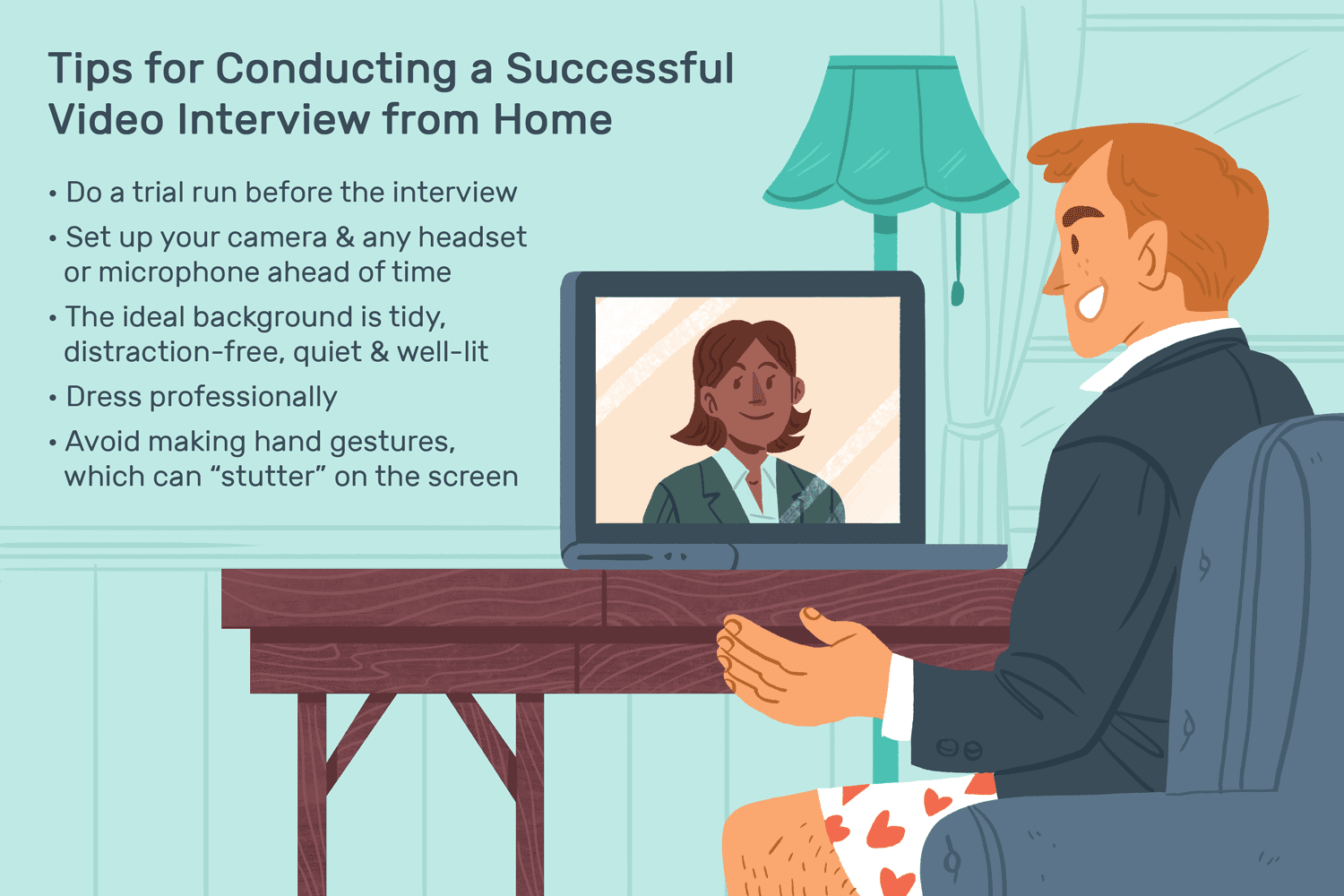
Yes, it’s worth mentioning directly so they can tailor mock interview practice accordingly, including addressing virtual interview logistics like camera setup and lighting alongside the content of your answers.
Ready to Get Started, Local or Remote?
Whether you’re nearby or across the country, the coaching process is the same. I’m Kyla Duffy, and my job interview coaching services work equally well in person around Denver and Boulder or remotely from anywhere else. Curious what it costs? My rates are posted publicly, and my FAQ page covers what people usually ask first.