A second interview means the employer has already decided you can do the job on paper now they’re deciding whether they want you, specifically, doing it on their team. That shift changes almost everything about how you should prepare: the questions get more specific, the stakes feel higher, and you’re often meeting different people than you met the first time around. Treat it like a repeat of round one and you’ll undersell yourself. Treat it like what it actually is, and you’ll walk in with a real advantage.
Let’s get into what changes and what to do about it.
What Is a Second Interview, Really?
A second interview is the next round after an initial screening or first-round interview, and it exists for one reason: the employer has narrowed the field and now needs more information to make a final call. If a first interview is answering “can this person do the job,” a second interview is answering “is this the person we want doing it, on this team, with these people.”
That’s a meaningfully different question, and it’s why second interviews often look and feel different from the first conversation. You might sit down with the hiring manager instead of a recruiter this time, or meet future teammates in a panel format, or get handed a small task or case study to work through. Some companies even loop in a “skip-level” a manager one level above your would-be boss specifically to sanity-check the hire from a step back.
None of this means round one went badly and they’re “checking” for problems (a fear I hear constantly, so let’s put it to rest right now). It means the opposite: you cleared the bar, and now they’re investing real time in figuring out fit, because fit is expensive to get wrong.
How a Second Interview Differs From the First
| First Interview | Second Interview | |
| Main question being answered | Can you do the job? | Do we want you doing it here? |
| Who you meet | Usually a recruiter or hiring manager | Often the hiring manager, future teammates, sometimes a skip-level |
| Question style | Broad background, basic fit, top qualifications | Specific and scenario-based depth on real situations |
| Length | Typically 20–30 minutes | Often 45–90 minutes, sometimes across multiple meetings |
| What “prepared” looks like | Knowing the role and your own resume | Knowing the team, the specific challenges, and asking sharper questions than round one |
| Your job search’s job | Get noticed among many | Close the gap between “qualified” and “chosen” |
That bottom row is the whole ballgame, and it’s the part people underprepare for most.
How to Approach Second Interview Prep
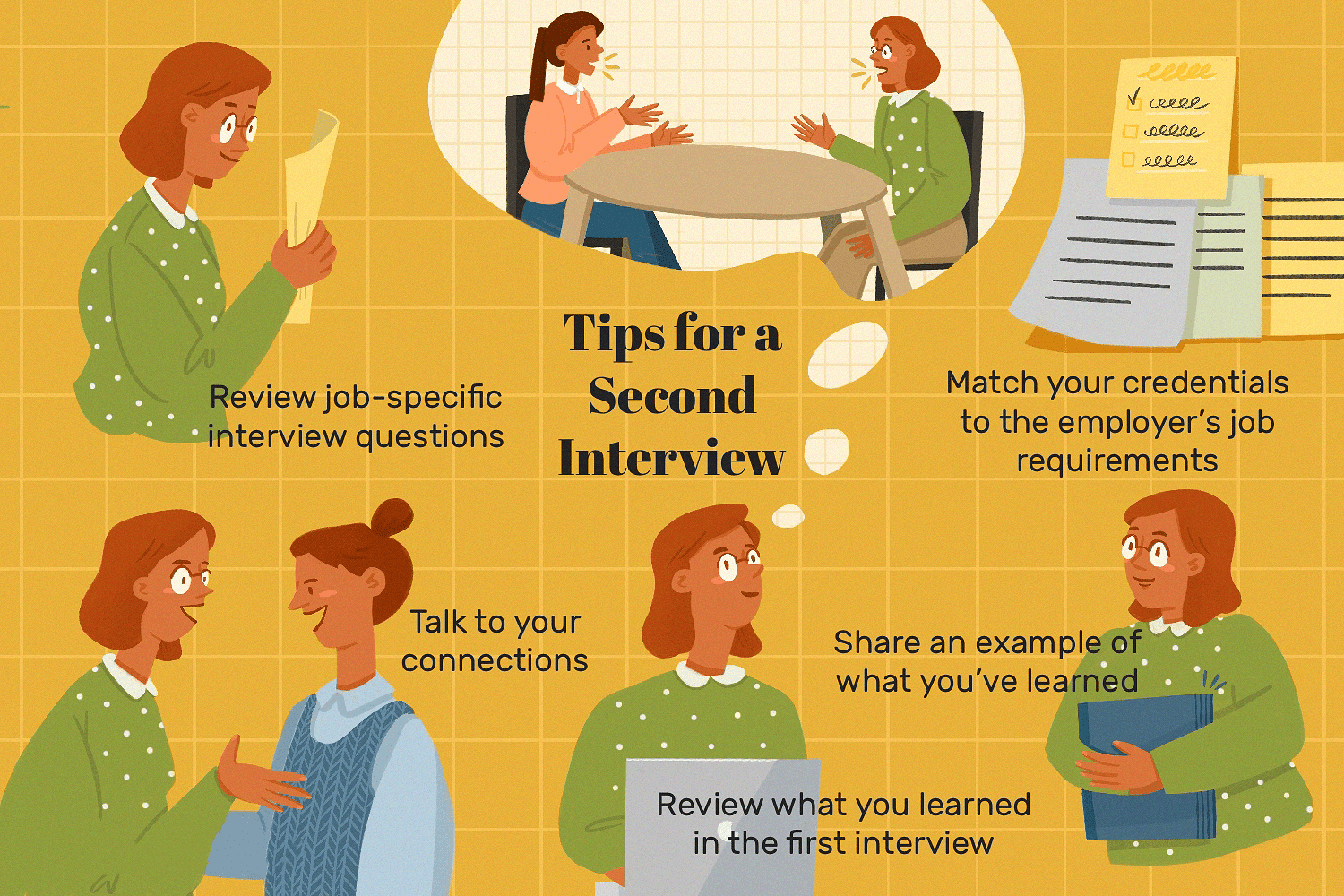
Here’s the RULE FOR SECOND INTERVIEWS: Never walk in with the same answers you gave in round one. Not because they were wrong because giving the identical answer to the identical question (which does happen, more than you’d think) signals that you haven’t thought about this role since the first call ended. Go deeper. Add a detail you held back before. Connect your answer more specifically to something you’ve since learned about the team.
With that rule in place, here’s how to actually prepare.
Research Like You’re Already On the Team
By round two, “I looked at your website” isn’t enough (it honestly wasn’t enough in round one, but I’ll save that lecture for another post). You want to walk in able to speak to:
- Recent company news, product launches, or public shifts in strategy
- The specific team you’d be joining, not just the company broadly
- Names and, where you can find them, backgrounds of the people you’ll be meeting
- What the role’s biggest near-term challenge probably is, based on the job description and anything public you can find
If you’re at the executive level, this research expectation goes up considerably you’re not just proving competence at that stage, you’re proving strategic judgment, and that requires knowing the business, not just the role. (If that’s you, my executive bio writing services exist partly because that level of positioning needs its own dedicated attention a resume alone doesn’t carry it.)
Expect Scenario and Behavioral Questions to Get Sharper
Second-round questions tend to lean hard on the behavioral interview format questions that ask you to describe a real past situation rather than a hypothetical, on the theory that past behavior predicts future behavior. If you’re not already structuring these answers with the STAR method (Situation, Task, Action, Result a simple framework for turning a rambling story into a clear, complete answer), now is the time to start, because round two is where the follow-up questions get pointed: “What would you have done differently?” “How did your manager respond?” “What was the actual measurable outcome?”
Surface-level STAR answers that worked in a 25-minute first round often fall apart under that kind of follow-up. Go in ready to be asked “and then what happened?” at least twice per story.
Prepare Questions That Prove You’ve Been Thinking About This
Round one questions are usually about understanding the role. Round two questions should show you’re already picturing yourself in it:
- “What does success look like in this role at the 90-day mark?”
- “What’s the biggest challenge the person in this seat will face in the first quarter?”
- “How does this team measure impact, and how often?”
- “What would make you excited about this hire a year from now?”
Notice none of those are about salary or vacation days. Save those there’s a right time for them, and it’s generally not here.
Common Mistakes People Make in Second Interviews
- Recycling round-one answers verbatim, which reads as unprepared rather than consistent.
- Under-preparing because “they already like me,” which is the single most common way people lose a second-round interview they were favored to win.
- Failing to ask about the team specifically asking only company-level questions when you’re now meeting the people you’d actually work alongside.
- Not addressing an obvious elephant in the room a gap, a career change, a short stint on your resume that came up in round one and will almost certainly come up again, sometimes from someone new who’s reading your resume for the first time.
- Treating a group or panel second round like separate one-on-ones instead of managing the room as a whole. (If this is your situation specifically, I’ve written a full breakdown of how group interviews work and how to stand out in one.)
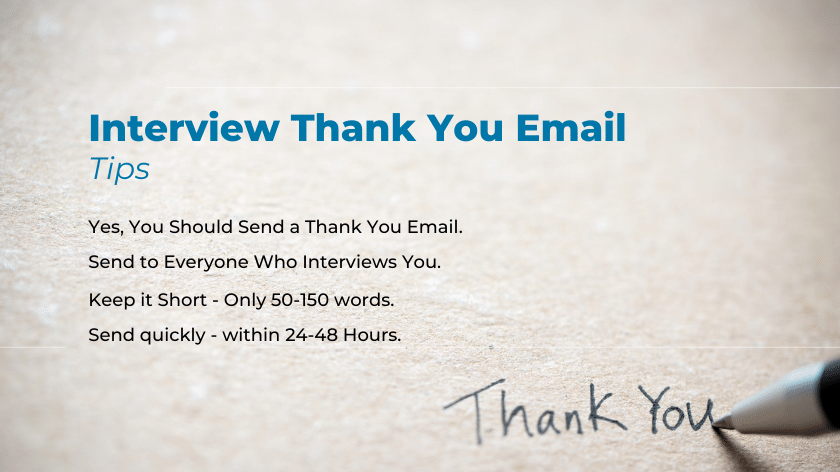
- Forgetting to follow up individually with each new person you met, not just the recruiter who scheduled things.
If you’re reading this list feeling a little exposed good, that means it’s working, not that you’re behind. Every one of these is fixable before your interview, not after.
How Kyla Approaches Second-Interview Prep Differently
Most advice about second interviews treats it as “round one, but more of it.” I don’t. I treat it as a completely different conversation with a completely different goal, because that’s what it actually is.
When I coach someone into a second round, we don’t just polish existing answers we rebuild the ones that need more depth, war-game the specific follow-up questions a sharp interviewer will ask, and get concrete about the new people you’re likely to meet and what each of them probably cares about (a hiring manager and a future peer are not listening for the same things, even in the same room). We also spend real time on the questions you ask, because by round two, your questions are doing almost as much work as your answers.
If your second interview is coming up in the next day or two and there’s no time for a full coaching engagement, that’s exactly the gap my on-the-spot resume, LinkedIn, and interview strategy session is built for fast, focused prep when the calendar isn’t cooperating.
What This Means for Your Job Search
Getting a second interview is real, measurable progress it means your resume and application already did their job, and the employer has moved you from “maybe” to “seriously considering.” What happens next is less about proving you’re qualified and more about proving you’re the right fit, which is a different skill than the one that got you this far.
This is also, frankly, exactly where a lot of good candidates lose ground not because they weren’t strong enough, but because they talked themselves out of the opportunity by underpreparing for a round that felt “less important” than the first one. It’s the opposite. SHRM’s research on talent acquisition consistently points to fit and team dynamics as major factors in final hiring decisions which is precisely what later-round interviews are designed to test. Harvard Business Review’s career planning coverage makes a similar point from the other direction: candidates who research the specific team and articulate how they’d contribute to near-term priorities consistently outperform equally qualified candidates who stay at the “company level” in their prep.
The takeaway isn’t complicated: round two rewards specificity. The more precisely you can speak to this team, this role, and this moment, the more you separate yourself from the other finalists who, statistically, are just as qualified as you are on paper.
Frequently Asked Questions About Second Interviews
What questions are asked in a second interview?
Second interviews typically include more specific behavioral and scenario-based questions than the first round, often focused on how you’ve handled real past situations relevant to the team’s actual challenges, plus questions probing team fit and working style.
How long does a second interview usually last?
Second interviews commonly run 45 to 90 minutes and sometimes span multiple back-to-back meetings with different people, compared to the shorter 20–30 minute first-round screening most candidates experience.
Who will I meet in a second interview?
You’ll often meet people beyond the initial recruiter or hiring manager potential teammates, cross-functional partners, or a more senior “skip-level” manager since the goal is assessing fit from multiple perspectives.
Should I prepare different answers for a second interview?
Yes. Repeating identical first-round answers can suggest you haven’t thought further about the role; aim to go deeper on the same stories or bring in a new relevant example you held back the first time.
Is it bad if my second interview feels more difficult than the first?
No it usually means the opposite. Harder, more specific questions typically indicate the employer is seriously evaluating you for the role rather than screening you out early.
What questions should I ask in a second interview?
Ask questions that show you’re already picturing yourself in the role, such as what success looks like at 90 days, what the team’s biggest near-term challenge is, or how impact is measured rather than only company-level questions.
Does a second interview mean I got the job?
Not automatically, but it’s a strong positive signal it means the employer has moved you from a broad pool into serious final consideration alongside a small number of other finalists.
How soon should I follow up after a second interview?
A thoughtful, individual follow-up note to each person you met, sent within 24 hours, is standard practice and gives you one more chance to address anything you wish you’d said more clearly in the room.
If you’ve got a second interview on the calendar and want to walk in genuinely ready not just “reviewed my notes” ready that’s exactly the work we do together in interview coaching. Let’s make sure round two is the round where you actually close it.