Technical interview prep is the process of getting ready for interviews that test your job-specific skills (coding, engineering, data, finance, or business problem-solving) in real time. It has two parts: mastering the content, and learning to explain your thinking out loud under pressure. Most candidates spend nearly all their time on the first part. Coaching helps with the second, which is where many otherwise-qualified people lose the offer.
That’s the short answer. The longer one involves whiteboards, frameworks, and the strange experience of being asked to think brilliantly while a stranger watches you do it.
Quick Takeaways: Case and Technical Interview Prep
- A case interview gives you a business problem to solve live; a technical interview tests job-specific skills such as coding, analytics, or engineering.
- Both are graded on your reasoning, not only your answer. Interviewers want to hear how you think.
- Content study and communication practice are separate skills. Most people only train one.
- Practice out loud, with feedback. Silent studying doesn’t prepare you for talking while thinking.
- Coaching targets the human layer: structure, clarity, nerves, and the behavioral questions that usually sit next to the technical ones.
What Are Case Interviews and Technical Interviews?
Let’s define terms first, because people use them loosely.
A case interview is a hiring exercise where the interviewer hands you a business problem (a company’s profits are falling, a client wants to enter a new market) and asks you to work through it live, out loud. It’s most associated with management consulting, but versions of it show up in strategy, product, finance, and operations roles. There’s rarely one “right” answer. The interviewer is watching how you structure the problem, what questions you ask, and how you handle new information.
A technical interview is any interview segment that tests the hands-on skills of the job itself. Depending on your field, that might look like:
- Live coding: writing code in a shared editor while you explain your approach.
- Whiteboard problems: solving a problem on a board (physical or virtual) and talking through each step.
- System design: sketching how you’d architect a larger system, and defending your trade-offs.
- Data or analytics exercises: interpreting a dataset or walking through how you’d analyze one.
- Take-home assignments: a project you complete on your own and then discuss with the team.
- Role-specific technical questions: accounting, finance, engineering, or lab-skill questions that go beyond your resume.
For a general sense of how roles in technical fields are described, the U.S. Bureau of Labor Statistics Occupational Outlook Handbook is a useful reference for what employers typically expect in a given occupation.
Different formats, same underlying test: Can you work through something hard in front of other people, and can they follow you while you do it?
Case vs. Technical Interviews: What’s the Difference?
Here’s a side-by-side to keep them straight.
| Case Interview | Technical Interview | |
| What it tests | Structured business problem-solving | Job-specific hands-on skills |
| Common in | Consulting, strategy, product, finance | Engineering, data, IT, finance, sciences |
| Typical format | Open-ended business scenario, discussed live | Coding, whiteboard, design, or analytical exercise |
| “Right answer”? | Rarely; the reasoning is the point | Often a correct solution, but reasoning still counts |
| What trips people up | Rambling, skipping structure, going silent | Going silent, jumping to code, panicking when stuck |
| Where coaching helps most | Structure, clarity, confidence, delivery | Thinking aloud, composure, explaining trade-offs |
Notice the last two rows. They’re nearly identical. That’s not an accident.
Why Smart People Still Struggle With These Interviews
If you’re preparing for one of these interviews, you’re probably capable. You’ve likely done the schooling, the projects, the late nights. And yet.
Here’s the thing nobody says out loud: doing the work and performing the work for an audience are different skills. At your desk, you can pause, Google something, stare out the window, and circle back. In an interview, a thirty-second silence feels like a geological era.
I hear versions of the same worry from clients all the time:
- “I know this material, but I blank when someone’s watching.”
- “I solve it fine in my head, then I can’t explain it.”
- “I get so focused on the answer that I forget they’re evaluating me, not the problem.”
If that’s you, first: you’re not broken. This is incredibly common, and it’s trainable. (If you tend to talk yourself out of opportunities before you’ve even walked in, I wrote about that pattern in my post on clients who keep talking themselves out of good opportunities. Worth a read before your next mock interview.)
RULE: Your interviewer can’t grade thinking they can’t hear.
Silent brilliance earns you nothing in this format. Audible reasoning, even imperfect reasoning, earns you real credit.
How to Approach Technical Interview Prep
Good preparation has two tracks that run in parallel. Most candidates only run one.
Track 1: Content Mastery
This is the subject-matter side: the algorithms, the frameworks, the formulas, the case types. You do this through practice problems, textbooks, courses, study groups, and peers who’ve been through it. General resources like the Indeed Career Guide are a decent starting place for typical interview formats and question types.
A candid note, since I believe in honest scope: I’m a career coach, not a subject-matter tutor. I’m not going to teach you a sorting algorithm or a discounted cash flow model. For the content itself, lean on the resources and people in your field. What I can do is help with the second track, which is where I see the most avoidable losses.
Track 2: Communication Under Pressure
This is the layer that sits on top of your knowledge. It includes:
- Structuring your answer so the interviewer can follow it.
- Thinking aloud without rambling or going quiet.
- Asking clarifying questions before charging ahead.
- Handling being stuck gracefully, which is the moment interviewers pay the closest attention.
- Managing nerves so your brain stays online.
- Connecting your technical work to real-world impact when the conversation turns that direction (and it usually does).
A Quick Primer on Structure
For case interviews especially, structure is everything. A framework is simply an organized way to break a big problem into smaller, manageable pieces. A common principle behind good frameworks is MECE, short for “mutually exclusive, collectively exhaustive.” Translation: your categories shouldn’t overlap, and together they should cover the whole problem. If that sounds fussy, think of it as sorting laundry. Whites, darks, delicates. Nothing in two piles, nothing left on the floor.
For technical interviews, structure looks different but serves the same purpose: restate the problem, confirm your assumptions, outline your approach, then execute, then check your work. Interviewers love a candidate who does this. It signals that you’d be a calm, methodical colleague, not someone who dives in headfirst and hopes.
Common Mistakes in Case and Technical Interviews
Here are the patterns that trip people up most often. See how many you recognize.
- Going silent. You’re thinking. They hear nothing. Narrate, even if it’s just “I’m weighing two approaches here.”
- Diving in without clarifying. Skipping the clarifying questions is the single most common way to solve the wrong problem beautifully.
- Memorizing a script. Rehearsed answers fall apart the moment the interviewer changes one variable. Understand the logic instead of reciting it.
- Treating hints as failure. An interviewer who nudges you isn’t marking you down; they’re often checking how you take direction. Take the hint gracefully and keep moving.
- Hiding your mistakes. If you catch an error, say so and fix it. Self-correction is a feature, not a flaw.
- Ignoring the human questions. Many technical interviews include behavioral questions about teamwork, conflict, and failure. The STAR method (Situation, Task, Action, Result) is a simple structure for answering these: set the scene, explain your responsibility, describe what you did, and share what happened. Skipping prep here is a common regret.
- Over-apologizing. “Sorry, this is probably wrong, but…” undermines you before you’ve said anything.
And that behavioral piece deserves its own spotlight. If the “tell me about your weaknesses” question makes your stomach drop, this post on answering that question will help.
RULE: A confident “here’s how I’d approach it” beats a nervous “I think the answer is…”
How Kyla Approaches Interview Coaching Differently
Many prep programs hand you a stack of practice problems and wish you luck. Practice problems are valuable. They’re also silent, solo, and low-stakes, which means they don’t simulate the actual experience of an interview.
When I work with clients on high-pressure interviews, we focus on the part that rarely gets trained:
We Practice Out Loud
Yes, actually out loud. It feels silly for about four minutes. Then it feels useful. Saying your reasoning aloud exposes the gaps that silent studying hides, such as the step you skipped or the term you can’t quite define on the spot.
We Build Your Structure
We work on opening moves: how to restate a problem, how to organize your thinking, how to signal your roadmap to the interviewer. A repeatable structure frees up mental energy for the hard part.
We Work on Your Stories
Almost every technical interview includes a conversation about you: a project you led, a problem you fixed, a time something broke. We shape those stories so they’re clear, specific, and relevant to the role, without turning them into a monologue. If you want a gentler on-ramp to this mindset, Job Interviews: I Don’t Know How To? Yes, You Do is a good place to begin.
We Deal With the Elephants
Career gap? Recent layoff? A pivot into a new field? Interviewers notice, and it’s better to address it on your terms. I wrote about naming the elephant in the room and riding it, and the same approach works in technical settings.
We Tailor to Who’s Asking
A recruiter, a hiring manager, and a senior engineer each care about different things. The strategy shifts depending on who’s across the table, and I broke that down in this post on impressing recruiters and hiring managers.
One more honest note about incentives: I offer interview coaching as a paid service, so I obviously believe in it. But I’m also telling you plainly what coaching can’t do. It won’t replace studying your field. It makes the studying you’ve done actually show up in the room.
Special Situations: Virtual and Take-Home Formats
Technical interviews have migrated online, and that brings its own wrinkles.
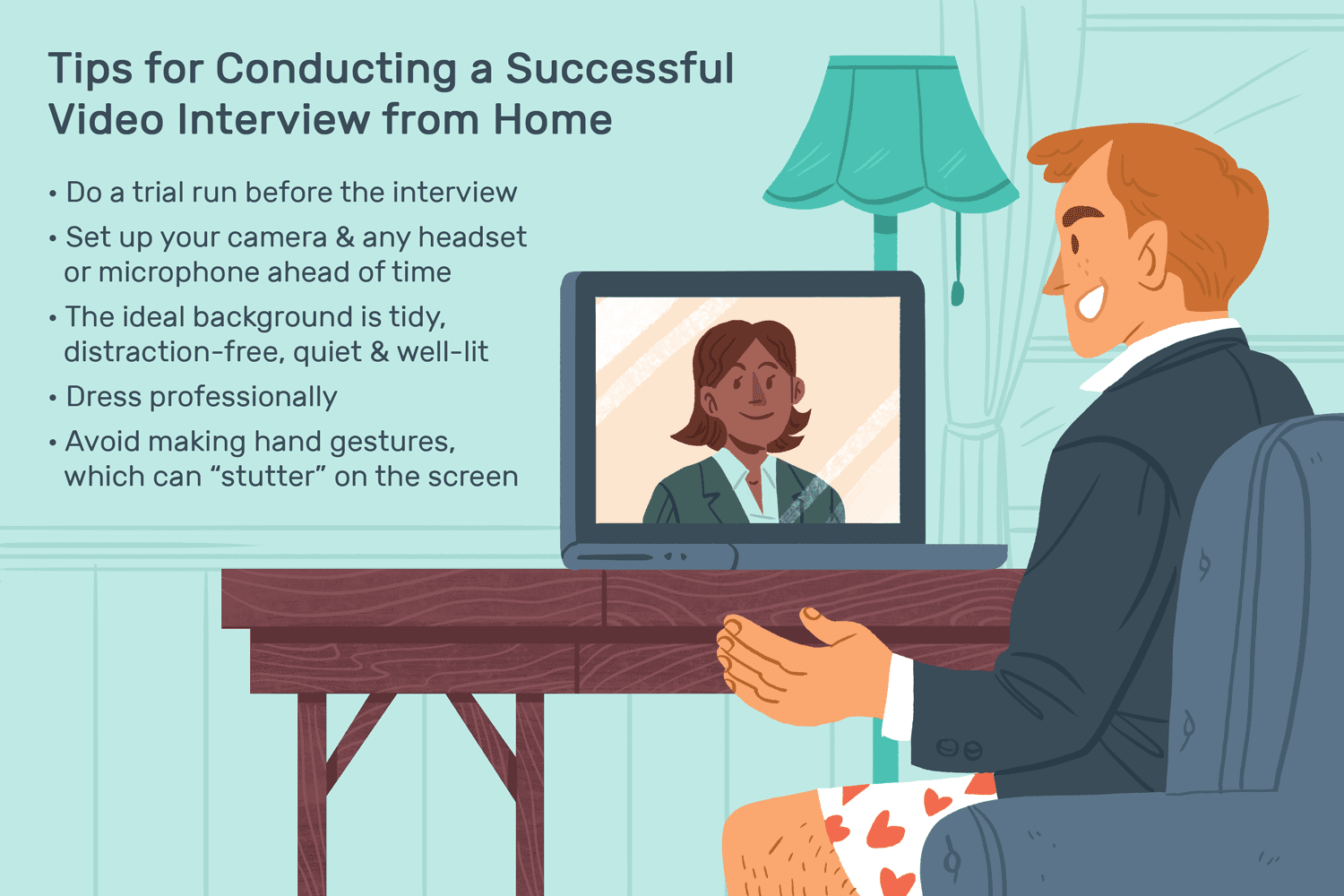
Virtual technical interviews add a layer of logistics. A shared coding editor, a screen share, a virtual whiteboard, and a laggy connection can all rattle you at the wrong moment. Test your setup in advance, close the notifications, and have a backup plan for connection trouble. If things do go sideways mid-interview, this post on what to do when a Zoom interview goes sideways has you covered. And yes, what you wear on camera still matters, even if the interviewer is mostly looking at your code.
Take-home assignments feel less stressful because there’s no one watching, but they often come with a follow-up conversation where you explain your choices. Treat that conversation as the real interview. Be ready to talk about what you’d do with more time, what trade-offs you made, and what you’d change.
Using AI to practice is increasingly common, and it can be a helpful sparring partner for content drills. I explored the upsides (and the limits) in this post on how AI can improve your job search. I’m not affiliated with any AI tool, so use whatever fits your needs and budget. What AI can’t fully replicate is a human giving you honest feedback on how you come across.
What Employers Are Really Evaluating
Here’s a mindset shift that takes pressure off: the interviewer isn’t only asking, “Is this person smart?” They’re asking:
- Can I work with this person for the next few years?
- Do they communicate clearly when things are hard?
- How do they respond when they don’t know something?
- Will they make my team better?
Talent-acquisition resources from organizations like SHRM regularly emphasize that hiring decisions weigh how candidates communicate and collaborate, not only what they know. That’s useful news. It means a candidate who reasons clearly and stays composed can outshine someone with slightly stronger raw knowledge but a tangled delivery.
It also connects to a bigger career theme. As more routine work gets automated, the people who stand out are the ones who can frame problems and think them through with others. I wrote more about that in the future of work belongs to problem-solvers, and a case or technical interview is basically a problem-solving audition.
For broader perspective on career planning and how professionals approach moves like this, the Harvard Business Review career planning hub offers thoughtful reading.
What This Means for Your Job Search
Let’s translate all this into a practical plan.
- Split your prep time deliberately. Give content mastery its share, but reserve real time for out-loud practice. If 100% of your time is on content, you’re half-prepared.
- Do mock interviews with a human. A friend, a peer, a mentor, or a coach. The goal is to feel the pressure before it counts.
- Record yourself. Painful, yes. Also revealing. You’ll catch filler words, silent stretches, and the moment you started rambling.
- Prepare your behavioral stories separately. Pick three or four strong examples and practice telling them in two minutes or less.
- Build a recovery phrase. Something like, “Let me take a moment to organize my thoughts.” Having it ready makes getting stuck feel survivable.
- Plan your follow-up. A thoughtful note after the interview keeps you memorable. Here’s a follow-up strategy most people haven’t thought of.
- Remember that coaching is a skill, too. Being open to feedback is part of what makes it work. Yes, thank you: how being coached is a skill is a good reminder.
Frequently Asked Questions
What is technical interview prep?
Technical interview prep is the process of preparing for interviews that test your job-specific skills, such as coding, analytics, engineering, or financial modeling. It combines studying the subject matter with practicing how to explain your reasoning aloud. Strong prep covers both.
What is a case interview?
A case interview is a live problem-solving exercise in which you’re given a business scenario and asked to work through it out loud. It’s most common in consulting but also appears in strategy, product, and finance roles. Interviewers evaluate how you structure the problem and communicate your thinking, not just your final answer.
How long should I prepare for a technical interview?
It depends on your starting point, the role, and how rusty your skills are, so there’s no universal number. Many candidates benefit from several weeks of consistent practice rather than a last-minute cram. Build in time for mock interviews, not just studying.
Can coaching help with technical interviews if I’m already skilled?
Yes. Skill and interview performance are different things. A coach can help you structure your answers, think aloud clearly, manage nerves, and tell your project stories well, even if your technical knowledge is already strong.
Do I need to explain my thinking out loud during a technical interview?
In most cases, yes. Interviewers use your reasoning to evaluate how you’d work on a real team. Narrating your approach, assumptions, and trade-offs often earns credit even when your final solution isn’t perfect.
What should I do if I get stuck during a technical or case interview?
Stay calm, say what you’re thinking, and break the problem into smaller pieces. It’s fine to ask a clarifying question or take a brief moment to organize your thoughts. Interviewers often care more about how you handle being stuck than about the fact that you were.
Are behavioral questions part of technical interviews?
Very often. Many technical interviews include questions about teamwork, conflict, and past projects alongside the hands-on portion. Using a structure like the STAR method helps you answer these clearly and concisely.
How many practice mock interviews should I do?
There’s no magic number, but doing several, ideally with live feedback, is more effective than doing one or two. Each round helps you spot patterns in your delivery and build comfort speaking while thinking.
Ready to Walk Into Your Next Interview Without the Knot in Your Stomach?
If you’ve been grinding through practice problems and still dread the moment someone says, “Okay, walk me through your thinking,” you’re not behind. You’re just missing the other half of the prep.
In my job interview coaching sessions, we practice your answers out loud, tighten your structure, polish the stories behind your experience, and work on staying composed when the question gets hard. You bring the expertise; I help it come through clearly under pressure. You can also see my rates if you’d like to know what working together looks like.
And if you’re interviewing because you’re moving into a new role or field entirely, career coaching can help us map the bigger picture, so each interview is aimed at the right target.
Book your interview coaching session → and let’s get you ready to think out loud like someone who belongs in the room.