Here’s a fact worth noting: the U.S. Bureau of Labor Statistics describes top executives as the people who devise strategies and policies to make sure an organization meets its goals. That’s the job a C-suite resume has to prove. Not that you managed things well, but that you set direction and moved an organization.
So what do professional resume writers for executives change at the top? They move the resume from functional excellence to enterprise impact: strategy, transformation, governance, and stakeholder trust, with scope quantified and the story aligned across resume, LinkedIn, and bio.
What Changes From VP to C-Suite?
| VP resume | C-suite resume | |
|---|---|---|
| Focus | Functional leadership and execution | Enterprise strategy and transformation |
| Audience | CEO, HR, recruiters | Boards, investors, executive search firms |
| Proof | Team scale, budgets, results | Company-level outcomes, governance, culture |
| Supporting documents | LinkedIn plus executive bio |
If you only remember one thing: at the top, your resume proves direction, not just delivery.
- Show the decisions you made and what they changed.
- Make scope and stakeholders obvious at a glance.
What Does the Rewrite Look Like?
Here’s an illustrative before-and-after for a COO candidate (a composite, placeholder numbers):
Before: “Oversaw operations across multiple facilities and managed a large team.”
After: “Led enterprise operations across 9 facilities and 1,200 employees; designed the integration plan for a major acquisition and delivered the targeted cost synergies ahead of schedule.”
More examples in my executive resume examples.
Preparing for a VP or C-suite search? Book a free consultation, and let’s talk about how your resume should read at the top.
Should You Hire a Professional?
- Choose a professional if you’re moving up a level, entering a board search, or haven’t updated your resume in years.
- DIY may work if you’re staying at the same level and your resume already reflects strategic outcomes.
For deeper vetting, see 7 signs of a top executive resume writer, when you actually need an executive writer, and what executive services include and cost. If you’re also preparing for interviews, read about executive interview coaching.
Harvard Business Review’s career planning articles and SHRM’s recruiting resources add useful context on senior hiring.
How I Work With Senior Leaders
My executive-level resume work is part of my resume writing service, often paired with an executive bio and a professional bio strategy. Pricing is on my rates page.
“I got the offer and negotiated +$60k on target earnings salary increase.”
— Client review on kyladuffy.com
Quick Answers to Common Questions
How is a C-suite resume different from a VP resume?
C-suite resumes emphasize enterprise-wide strategy, board and investor relationships, and organizational transformation. VP resumes emphasize functional leadership, scale, and execution across teams.
Do CEOs need a resume?
Yes, especially for board searches, executive recruiters, and investor conversations, often alongside an executive bio.
What do professional executive resume writers change?
They shift the focus from responsibilities to strategy and outcomes, quantify scope, align the resume with LinkedIn and bios, and keep the format clean for recruiter databases.
How long should a C-suite resume be?
Two pages is common; three can work for very senior leaders with board roles or extensive governance experience.
What should a VP resume highlight?
Functional leadership, team scale, budget or P&L, cross-functional influence, and measurable results.
Should executives include board roles?
Yes. Board and advisory roles signal governance experience and peer trust.
How much does an executive resume cost?
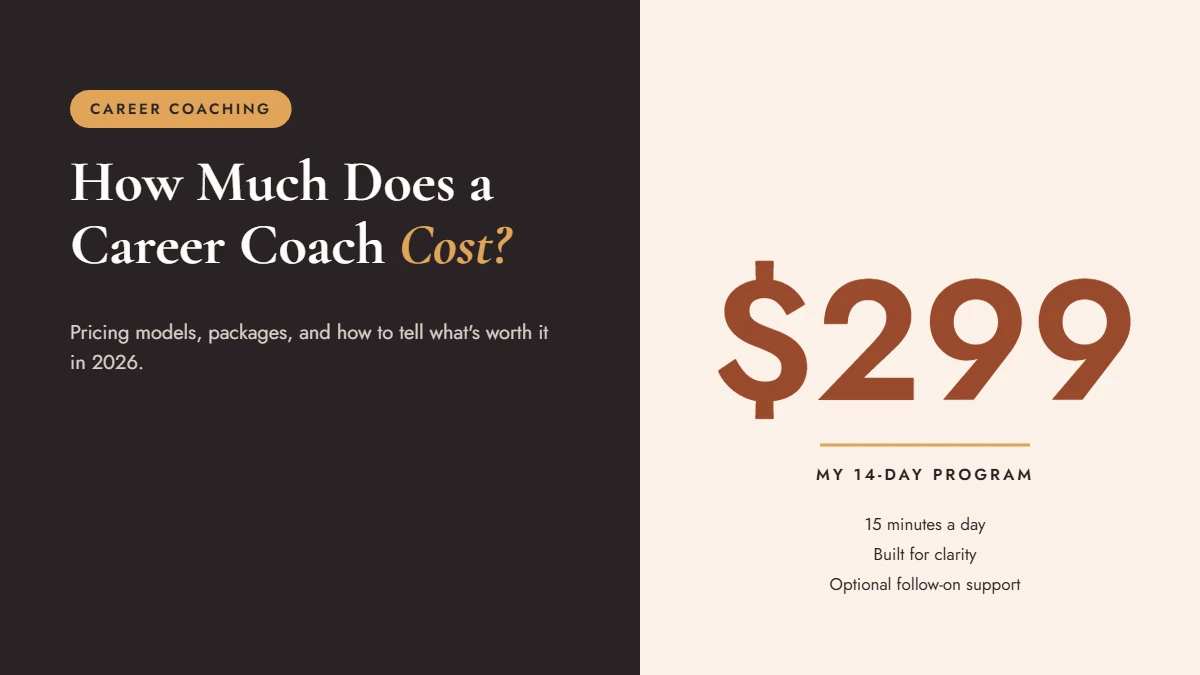
Industry pricing varies. My resumes range up to $599 for executive-level work, and executive bios run $199 to $599.
Lead With Your Impact
At the top, your resume should read like a strategy, not a job history. Book a free consultation, and let’s build one that does.